Bike Repair & Donation
Restoring discarded bikes into usable transport
Mechanical Repair / Community Engineering
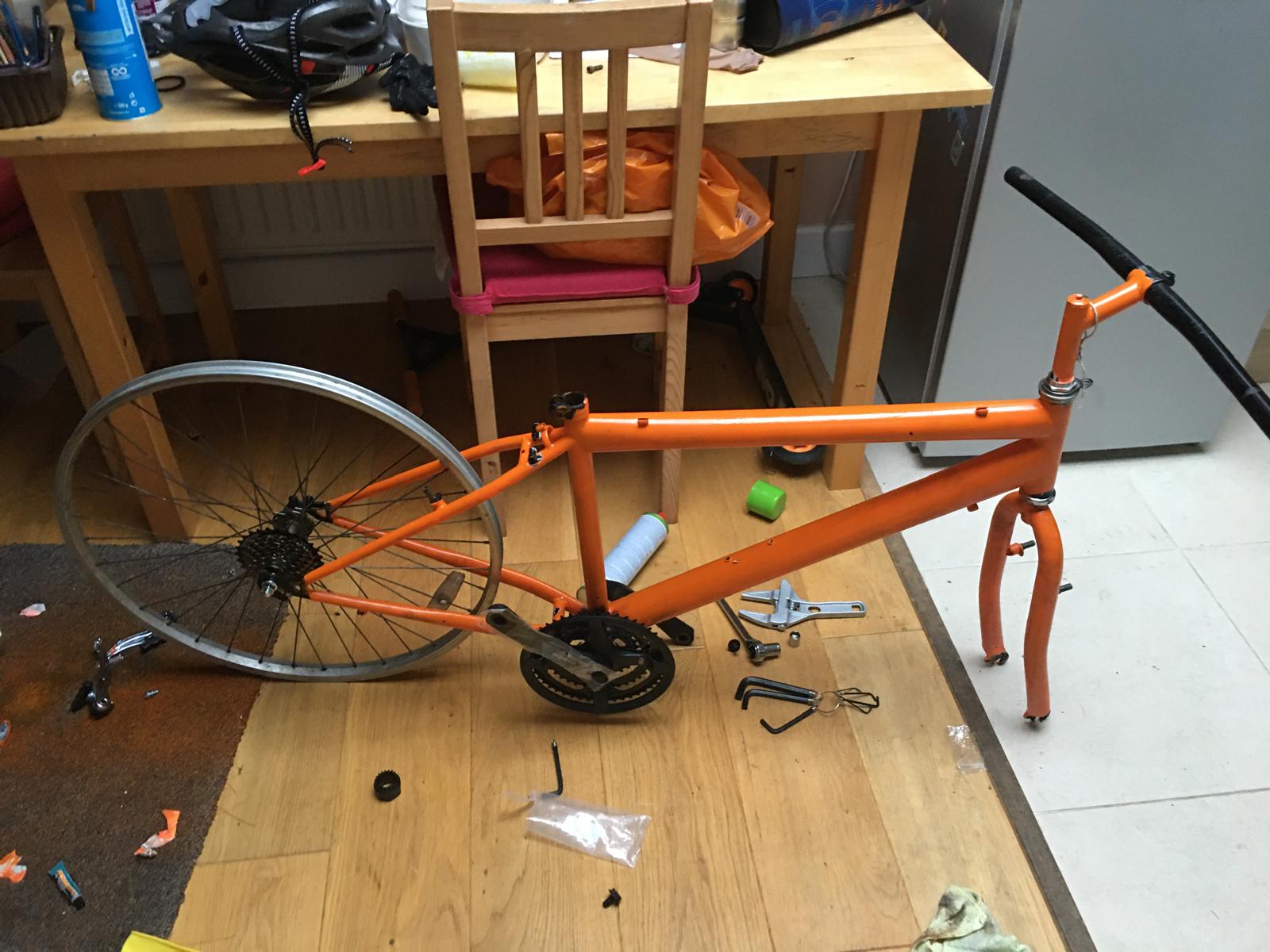
The story
During lockdown, I started fixing bikes because I wanted something practical to do with my hands. I learned from tutorials, then from local mechanics, and eventually began collecting abandoned or discontinued bikes, repairing them, and donating them. It became a quiet but meaningful project because every repaired bike had an obvious use.
Why I built it
A lot of bikes are thrown away because of problems that are annoying but fixable: loose brakes, bad shifting, buckled wheels, worn cables, or years of poor maintenance. I liked that the engineering was direct. If I fixed it properly, someone had transport again.
What I built
I treated each bike like a debugging problem. I inspected it, found the limiting fault, repaired or adjusted it, test rode it, and only donated it once it felt safe and useful.
What I did
- Sourced abandoned, faulty, and discontinued bikes
- Taught myself repair basics and learned advanced adjustments from local mechanics
- Repaired brakes, gears, wheels, and general rideability issues
- Prepared repaired bikes for donation through local community channels
How I built it
Build flow
Fault diagnosis -> mechanical repair -> adjustment and alignment -> test ride -> donation.
How it works
Each bike was treated like a mechanical debugging problem. I checked braking, gear shifting, wheel alignment, chain condition, loose parts, and ride feel, then repaired the limiting fault before testing whether the bike was safe to donate.
Hardware
What was hard
- Diagnosing problems without a professional workshop at the start
- Learning which faults were safe to repair and which needed replacement parts
- Truing wheels and adjusting derailleurs precisely enough for reliable riding
- Turning one-off repairs into a repeatable process across many different bikes
Build reference
The repair workflow centred on diagnosis, parts adjustment, safety checks, and returning a working bike to someone who could use it.
Click to inspect
Demos and build notes
Photos and notes
Project photos
Results & impact
- ✓ Restored 15 bikes by the end of the summer
- ✓ Donated repaired bikes to families and charity use
- ✓ Built practical mechanical confidence through real repair constraints
What I'd tell past me
- You don't always need new technology to make an impact - sometimes it's just making an old thing work again
- Diagnosing a fault properly the first time saves you from re-doing it twice
If I keep going
- Keep a proper before-and-after log next time, since I wish I had one now